Typical Cost for Ship Transfer Limousine Service
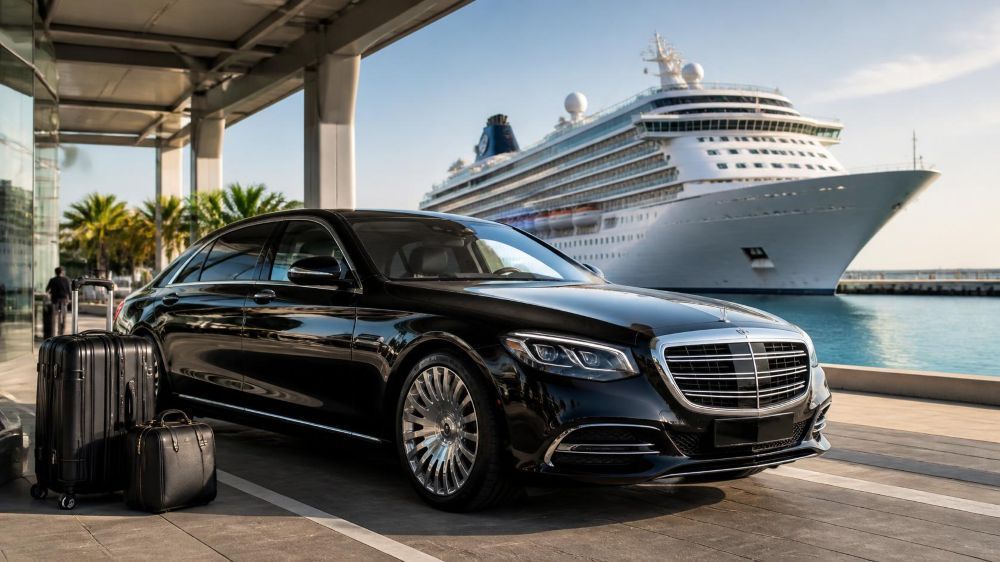
A ship transfer limousine typically costs between $65 and $150 for a flat rate luxury sedan, $90 to $180 for a luxury SUV, and $120 to $250 per hour for a stretch limousine, depending on the distance to the port, the size of your group, and the vehicle class you choose. Most cruise passengers book a flat rate rather than an hourly package, since a ship transfer limousine is a single pickup and drop off, not a multi stop event.
Here is a full breakdown of what drives the price, what to watch for on your invoice, and how to book a transfer that gets you to the pier on time without paying more than you need to.
Typical Cost for Ship Transfer Limousine Service
Pricing depends mostly on vehicle type and whether the company quotes a flat rate or an hourly rate. Flat rates are standard for a single pickup and drop off, since the driver is not waiting around for hours. Here is what passengers can generally expect to pay.
| Vehicle Type | Typical Price Range | Best For |
|---|---|---|
| Luxury Sedan | $65 to $150 flat rate | Solo travelers or couples with light luggage |
| Luxury SUV | $90 to $180 flat rate | Families or 4 to 6 passengers with extra bags |
| Stretch Limousine | $120 to $250 per hour | Small groups wanting a classic limo ride |
| SUV or Hummer Limo | $150 to $250 per hour | Larger groups of 8 to 14 passengers |
| Sprinter Van | $150 to $200 per hour | Groups of 10 or more sharing one ride |
Most companies set a minimum booking window of two to four hours on hourly vehicles, even if the actual drive to the pier takes far less time. Flat rate sedan and SUV transfers skip that minimum entirely, which is one reason they end up cheaper for a straightforward port run.
What Affects the Price of a Cruise Ship Limousine Transfer
Several factors move a ship transfer quote up or down before you even choose a vehicle.
- Distance to the port. A transfer from a nearby hotel costs far less than one from an airport 40 or more miles away.
- Vehicle size and class. A basic sedan will always undercut a stretch limo or Sprinter van on price.
- Group size and luggage. More passengers or oversized bags may require a bigger vehicle, which raises the base rate.
- Time of day. Early morning or late night pickups, common for cruise departures, sometimes carry a small surcharge.
- Season and demand. Peak cruise season in spring and fall can push rates higher in busy port cities.
- Meet and greet service. A driver holding a name sign inside the terminal often costs a little more than curbside pickup.
Sedan, SUV, or Stretch Limo: Which One Fits a Cruise Ship Transfer
A luxury sedan is the most common choice for one or two passengers heading straight to the ship, and it is the most budget friendly option here. A luxury SUV makes sense for families or anyone traveling with several suitcases, since it adds cargo room without a big jump in price. A stretch limousine is worth the higher hourly rate mainly when the ride itself is part of the celebration, such as an anniversary cruise or a milestone birthday. For groups of eight or more, an SUV limo or Sprinter van usually works out cheaper per person than booking multiple sedans separately.
Hidden Fees to Ask About Before You Book
The quoted rate is not always the final price. Ask about these extras before you confirm a reservation.
- Gratuity. Most companies add 15 to 20 percent for the driver, sometimes built into the quote and sometimes added afterward.
- Tolls and port fees. Bridge tolls, terminal fees, and airport pickup surcharges are often billed separately from the base rate.
- Wait time charges. A delayed flight or a slow disembarkation can trigger per minute fees once a grace period ends.
- Cancellation policies. Some companies charge a fee for cancellations made within 24 to 48 hours of pickup.
- Fuel surcharges. A handful of providers add a small fuel fee during periods of higher gas prices.
How to Get the Best Rate on a Ship Transfer Limousine
A few habits keep the total cost down without sacrificing reliability.
- Book a flat rate instead of an hourly limousine package whenever the trip is a simple pickup and drop off.
- Reserve at least two to three weeks ahead of a popular cruise departure date.
- Compare two or three quotes for the same vehicle, date, and route rather than accepting the first price you see.
- Split the cost with fellow passengers by booking one larger vehicle instead of several separate cars.
- Confirm gratuity and tolls are included in the quote so the final bill has no surprises.
A reliable ship transfer limousine service takes one more decision off a cruise departure day. Once you know the going rate for your vehicle type and route, request a written quote from a licensed local provider and confirm the pickup details a day or two before you sail.
Frequently Asked Questions
How much does a limousine to the cruise port cost?
Most sedan and SUV transfers to a cruise port run $65 to $180 as a flat rate, depending on distance and vehicle size.
Is a limo cheaper than a taxi for a cruise transfer?
A licensed limo sedan often costs about the same as a taxi or rideshare on surge pricing, but with a fixed rate and no wait time guesswork.
Do limo companies charge extra for luggage?
Most sedans and SUVs include standard luggage in the base rate, but oversized bags or more than two per passenger may need a bigger vehicle.
Should I book an hourly limo or a flat rate transfer for a cruise?
A flat rate transfer is almost always cheaper for a single pickup and drop off, while hourly bookings only make sense with extra stops.
How far in advance should I book a ship transfer limousine?
Two to three weeks ahead is safe for most dates, but book a month out during peak cruise season to lock in the best rate.
Does gratuity get added automatically to a limo transfer?
Many companies build 15 to 20 percent gratuity into the quoted price, so confirm this before booking to avoid double tipping.