Top 7 Luxury Transportation Trends for 2026

The biggest luxury transportation trends in 2026 are electric and connected vehicles, app-based booking, and chauffeur services designed around the passenger rather than the car. Demand is backing the shift: the global chauffeur services market grew to roughly $22.4 billion in 2024 and is expanding at about 6.1% a year, according to Growth Market Reports. Below are the seven trends shaping premium travel this year - what each one means, why it matters, and what to look for before you book.
Luxury Transportation Trends in 2026 at a Glance
The through-line this year is simple: technology and sustainability are no longer add-ons - they are the baseline buyers expect. The table below summarizes the seven trends and what each one signals when you compare providers.
| Trend | What it means | What to look for |
|---|---|---|
| Connected vehicles | Real-time routing, voice control, OTA updates | 5G connectivity, in-app tracking |
| Sustainable fleets | EVs and hybrids in premium service | Stated EV/hybrid options at booking |
| Personalized chauffeurs | Service built around the rider | Named driver, route preferences saved |
| App-based booking | Instant quotes and confirmations | Live ETA, transparent pricing |
| Multi-purpose cabins | Mobile office or lounge on wheels | Wi-Fi, power, privacy partition |
| Health and air quality | Filtration and touchless controls | HEPA/cabin filtration, sanitation policy |
| Immersive interiors | Lighting, audio, comfort as the product | Ambient lighting, premium sound, climate seats |
1. Smart and Connected Vehicles
In 2025, luxury transportation is becoming smarter than ever. High-end vehicles now come equipped with connected technology that allows for real-time navigation updates, personalized climate control, and entertainment systems tailored to passengers. Features like voice-controlled interfaces and app-based scheduling ensure a seamless travel experience.
The infrastructure is what makes this possible. Asia Pacific alone held about 57.8% of the global connected car market in 2025, with 5G adoption cited as the main driver, per Fortune Business Insights. Faster networks mean over-the-air updates and live traffic rerouting are now standard, not premium extras.
Key Features:
- Advanced infotainment systems
- Touchless controls and voice commands
- Real-time traffic updates and route optimization
- Over-the-air updates that improve the car after you’ve ridden in it
2. Sustainable Luxury Transportation
Going green is now a luxury expectation, not a compromise. The luxury EV market reached an estimated $219.3 billion in 2025 and is projected to climb to about $254 billion in 2026, according to Mordor Intelligence, with SUVs and crossovers taking the largest slice at roughly 57% of revenue.
Adoption inside premium fleets is moving fast. Electric vehicles already make up an estimated
12–15% of the global chauffeur fleet as of 2025, per MakData Insights - and that share is climbing as operators replace aging sedans.
| Powertrain | Best for | Trade-off |
|---|---|---|
| Battery electric (EV) | City transfers, short airport runs, zero-emission policies | Range and charging on long routes |
| Plug-in hybrid (PHEV) | Mixed city and highway, range anxiety | Higher complexity, partial emissions |
| Internal combustion (ICE) | Long-distance touring, remote regions | Higher emissions, fuel cost volatility |
For most corporate and event travel inside a city, a battery-electric sedan or SUV now matches a combustion car on comfort while cutting tailpipe emissions to zero.
3. Personalized chauffeur services
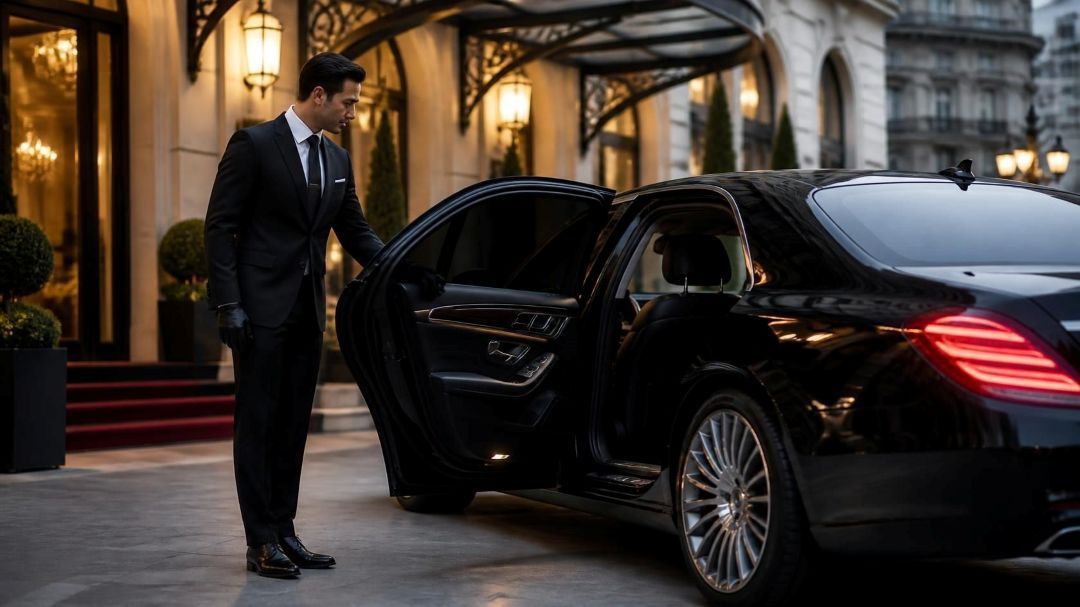
The vehicle is only half the product in 2026 - the chauffeur is the other half. Premium operators now build the ride around the passenger: preferred routes, saved climate and music settings, and concierge-level requests handled before you step in.
This matters because the corporate segment drives 55–60% of chauffeur demand globally, per MakData Insights, and business travelers value reliability and discretion over flash. A driver who knows your schedule and preferences is worth more than another screen on the dashboard.
Hallmarks of a genuinely personalized service:
• A named, consistent chauffeur for repeat clients rather than a random assignment
• Saved preferences - temperature, route, refreshments - applied automatically
• Discretion and flexibility for last-minute schedule changes
4. On-demand and app-based booking
App-based booking has gone from convenience to baseline expectation. Riders now schedule, choose a vehicle class, add amenities, and track arrival in real time - the same friction-free flow they get from any premium app.
The operational payoff is real. AI-driven dispatch and real-time tracking have cut operational inefficiencies for fleet operators by an estimated 15–20%, according to MakData Insights, which translates into faster pickups and more accurate ETAs for the passenger.
A strong booking experience should give you instant confirmation, transparent pricing before you commit, vehicle and amenity selection, and live driver location. If a provider still relies on phone-and-email scheduling, that’s a sign its fleet tech is behind.
5. Multi-purpose luxury vehicles
Limousines, executive SUVs, and luxury vans are being designed as mobile offices and lounges. For business travelers, the cabin is now productive time rather than dead time between meetings.
That demand is anchored in money: global business travel spending is projected to surpass $1.4 trillion by 2027, per the Global Business Travel Association (GBTA) figures cited by Extent Research. Executives want to work, take calls, and arrive prepared - so the vehicle has to support it.
Features that define a multi-purpose luxury cabin:
• Onboard Wi-Fi and power for a true mobile workspace
• Privacy partitions for confidential calls
• Refreshment and climate zones that make long transfers comfortable
6. Focus on health, hygiene, and air quality
Cabin air and cleanliness stayed on the priority list well after the pandemic. In 2026, passengers expect medical-grade filtration, touchless controls, and visible sanitation between rides as part of a premium service - not an upsell.
Look for cabin air filtration (HEPA or equivalent), individual climate control, touchless door and seat operation, and a clear, stated cleaning protocol. These features reduce shared-surface contact and give riders control over their own environment.
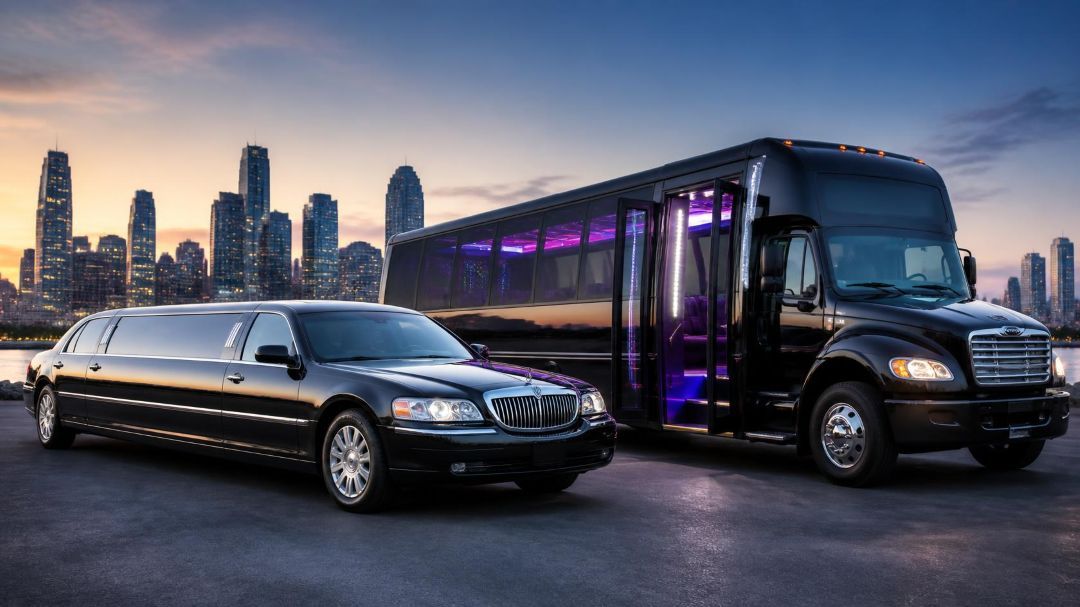
7. Immersive passenger experiences
The journey itself is now the product. Ambient lighting, customizable interiors, premium sound, and massage and climate seating turn a transfer into an experience that justifies the price of luxury travel.
This is where the broader luxury car market - valued at about $593.8 billion in 2025, per Global Market Insights - pours its R&D. The comfort and sensory features that debut in flagship private vehicles tend to reach premium chauffeur fleets within a model cycle or two.
How to Choose a Luxury Transportation Provider in 2026
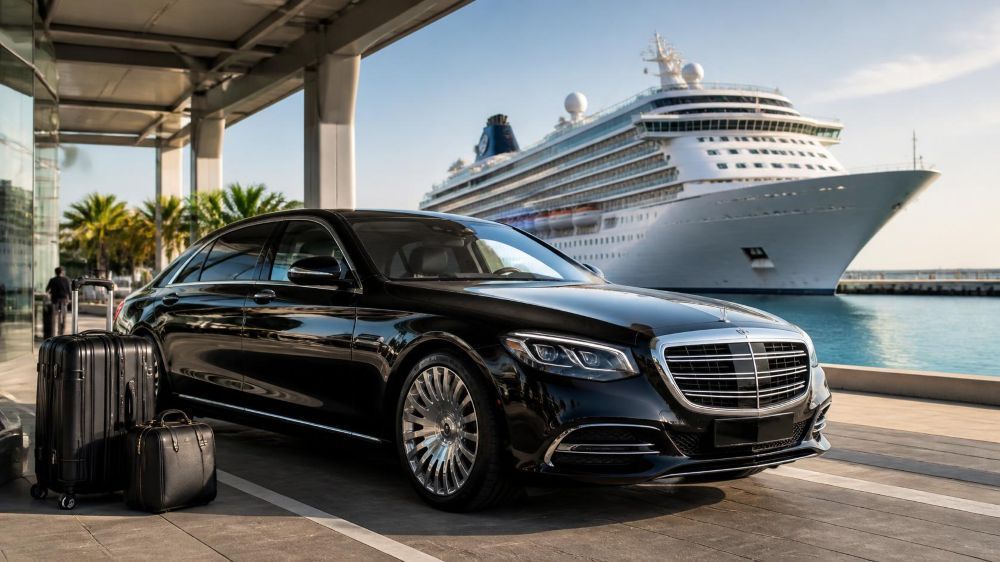
Match the trend to your trip. For a corporate airport run, prioritize app booking, connectivity, and a consistent chauffeur. For an event or night out, weigh immersive interiors and vehicle class. For sustainability goals, confirm EV or hybrid availability at the time of booking.
The single best filter is transparency: a provider that shows live pricing, names its driver, and states its fleet and sanitation policies upfront is almost always running on current technology and standards.
Conclusion
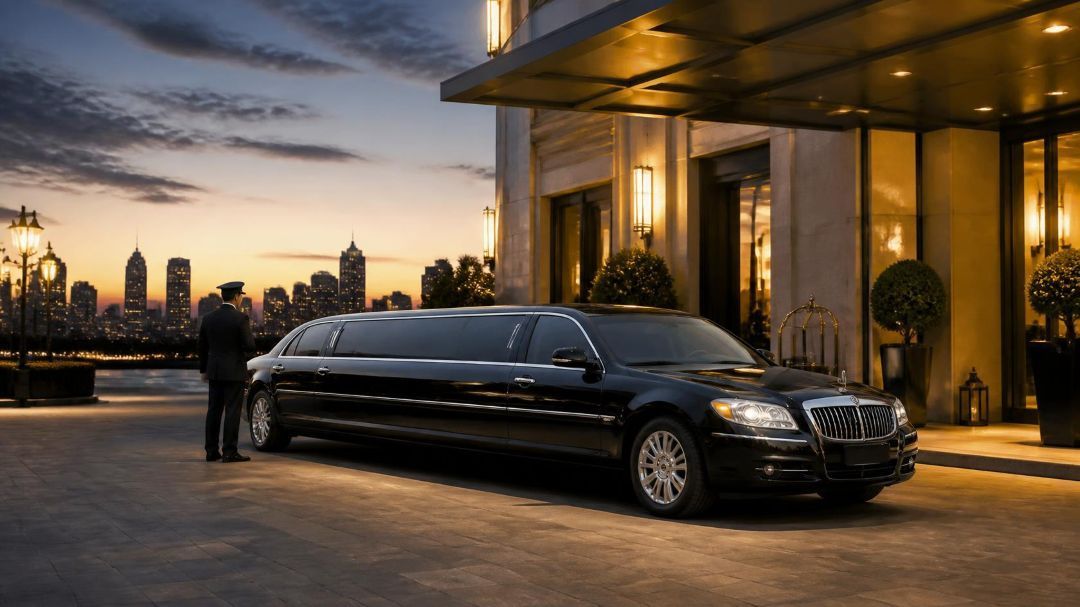
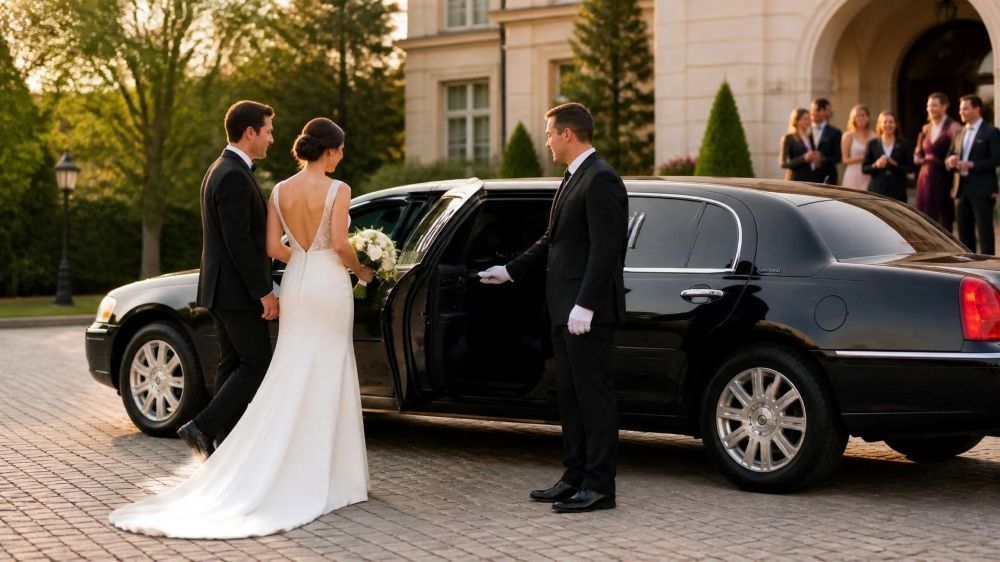
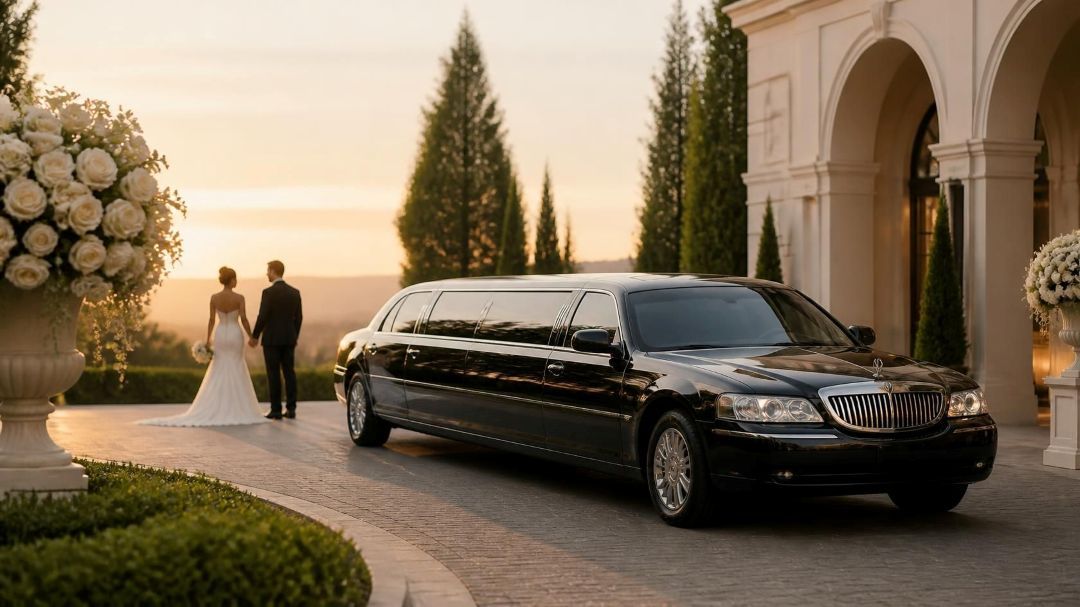
2025 is shaping up to be an exciting year for luxury transportation. With advancements in technology, sustainability, and personalized service, travelers can expect more comfort, style, and convenience than ever before. Whether you’re booking a corporate ride, celebrating a special occasion, or simply enjoying a night out with a limo, these trends are transforming the way we experience premium travel.
Embrace the latest luxury transportation trends and elevate your travel experience in 2025.
Frequently Asked Questions
What are the top luxury transportation trends in 2026?
Connected vehicles, electric fleets, personalized chauffeurs, app-based booking, multi-purpose cabins, health and air-quality standards, and immersive interiors - a shift from owning a nice car to buying a tailored experience.
Are electric vehicles common in luxury chauffeur fleets now?
Increasingly. EVs make up an estimated 12–15% of the global chauffeur fleet as of 2025 (MakData Insights), and most premium operators now offer EV or hybrid options at booking.
Is luxury chauffeur service worth the cost over ride-hailing?
For business travel and events, usually yes - you get a consistent named driver, guaranteed vehicle class, and discretion ride-hailing can’t match. That’s why corporates drive 55–60% of demand.
How do app-based luxury bookings improve the experience?
Instant quotes, vehicle and amenity selection, and live arrival tracking. AI dispatch has cut operator inefficiencies an estimated 15–20% (MakData Insights), meaning faster pickups and more accurate ETAs.
What should I check before booking a luxury vehicle in 2026?
Transparent pricing, live tracking, vehicle class, and a named chauffeur. Ask about EV or hybrid options and cabin air filtration - transparency on these usually signals a modern, well-run fleet.